Author: Claire Owens

Author: Claire Owens

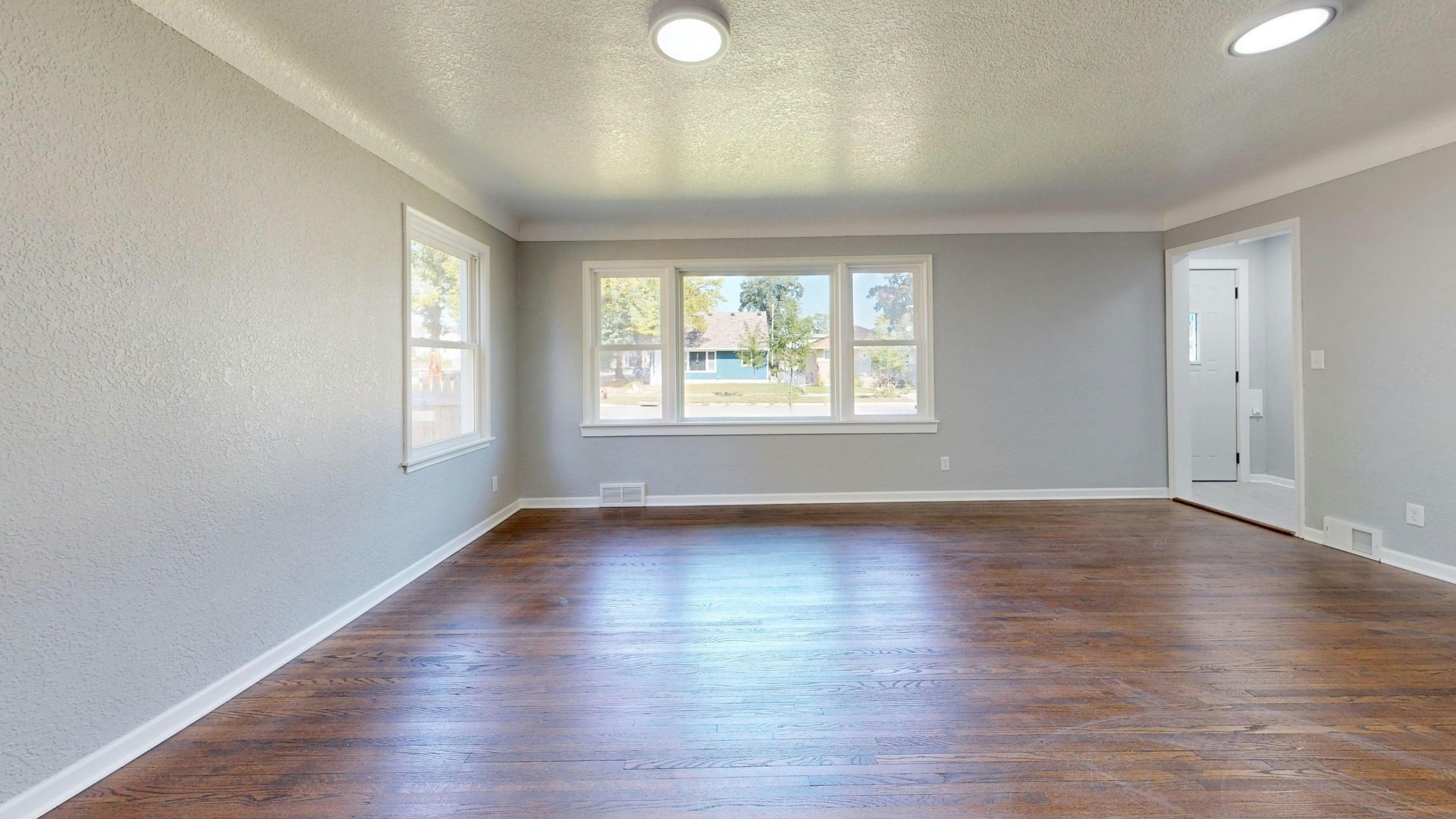
a wood floor that is ready to be stripped and waxed

The Benefits of Floor Stripping and Waxing Services: Why Your Floors Need Professional Care

If your business has vinyl composite tile (VCT), linoleum, or other hard surface flooring, you’ve likely noticed how even the most diligent daily cleaning eventually fails to restore that fresh, glossy appearance your floors once had. Dirt becomes embedded in the finish, scuff marks refuse to budge, and the shine dulls despite your best efforts. This is when floor stripping and waxing services become essential, not just for aesthetics, but for protecting your significant flooring investment.

Professional floor stripping and waxing is a specialized maintenance process that removes old, worn finish layers and applies fresh protective coatings that restore floors to like-new condition. Understanding the benefits of this service helps business owners and facility managers make informed decisions about floor care and budget allocation.

What Floor Stripping and Waxing Actually Does

Before exploring the benefits, it’s helpful to understand the process itself. Floor stripping involves applying specialized chemicals that break down and remove old wax, finish, and embedded dirt from the floor surface. Once stripped to the bare floor, the surface is thoroughly cleaned and neutralized. Fresh coats of high-quality floor finish (often called wax, though modern products are typically acrylic-based) are then applied, creating a protective barrier that seals the floor and provides that distinctive glossy appearance.

This process differs fundamentally from regular mopping or even deep cleaning, which only clean the surface of existing finish layers without addressing the accumulated buildup and deterioration underneath.

Extended Floor Lifespan and Protection

The primary benefit of regular floor stripping and waxing is protecting your flooring investment. Commercial flooring represents a significant capital expense, with replacement costs that can easily reach tens of thousands of dollars for moderately-sized facilities. Floor finish serves as a protective barrier between your actual flooring material and the constant traffic, spills, and abuse it endures daily.

Without this protective layer, foot traffic, carts, equipment, and cleaning products directly contact the floor material, causing irreversible wear and damage. Once VCT or linoleum is worn through, only replacement can restore it. Regular stripping and waxing maintains that protective barrier, significantly extending floor lifespan. Floors properly maintained through regular stripping and waxing can last 20-30 years, while neglected floors often require replacement in 10-15 years.

The cost comparison is stark: periodic stripping and waxing costs a fraction of premature floor replacement.

Dramatically Improved Appearance

First impressions matter in business, and your floors play a significant role in how customers, clients, and employees perceive your facility. Dull, scuffed, dirty-looking floors send a message of neglect and low standards, regardless of how clean they actually are. Conversely, floors with a fresh, glossy finish project professionalism, cleanliness, and attention to detail.

Professional floor stripping and waxing transforms tired-looking floors, restoring the bright, clean appearance that enhances your entire facility’s aesthetic. The high-gloss finish reflects light, making spaces appear brighter and more welcoming. This improved appearance impacts customer confidence, employee morale, and your overall brand image.

For retail businesses, restaurants, healthcare facilities, and any business where customers visit your location, floor appearance directly affects customer perceptions and potentially your bottom line.

Easier Daily Maintenance

One often-overlooked benefit of freshly stripped and waxed floors is how much easier they are to maintain day-to-day. The smooth, sealed surface created by proper floor finishing doesn’t allow dirt to penetrate and embed like worn, porous floors do. Spills wipe up easily without staining. Daily mopping removes surface dirt efficiently without the scrubbing required on deteriorated floors.

This easier maintenance means your janitorial staff works more efficiently, reducing labor costs and freeing time for other cleaning priorities. The improved ease of cleaning also means your floors stay looking better between stripping and waxing services, maintaining that professional appearance longer.

Enhanced Safety Through Better Traction

Floor finish isn’t just about appearance. It also affects slip resistance. Worn, degraded floor finish can become slippery when wet, increasing slip-and-fall risks. Fresh floor finish can be formulated with specific slip-resistance properties appropriate for your environment.

Professional floor stripping and waxing services include selecting finish products with appropriate traction characteristics for your facility’s needs. High-traffic areas or locations where moisture is common may use higher-traction finishes, while other areas might use glossier products. This customization helps reduce workplace accidents and associated liability.

Improved Indoor Air Quality

This benefit surprises many people, but it’s significant. Old, deteriorated floor finish traps dirt, dust, allergens, and contaminants that become increasingly difficult to remove through regular cleaning. These trapped particles can become airborne as people walk across floors, degrading indoor air quality.

Stripping removes these accumulated contaminants along with the old finish, and fresh finish seals the floor surface, preventing dirt from embedding. The result is improved air quality that benefits everyone in your facility, particularly individuals with allergies or respiratory sensitivities.

Cost-Effective Compared to Alternatives

When floors reach a certain point of deterioration, you face limited options: continue with inadequate daily cleaning that never achieves good results, replace the flooring entirely, or strip and refinish. Floor stripping and waxing represents the most cost-effective solution by far.

While professional stripping and waxing requires investment (typically ranging from $0.50 to $2.00 per square foot depending on condition and location), it costs dramatically less than floor replacement, which often exceeds $5-10 per square foot including materials, labor, and business disruption.

Professional Results That DIY Can’t Match

Some facility managers attempt to strip and wax floors in-house to save money, but professional results require specialized equipment, products, and expertise that most businesses don’t possess. Commercial floor stripping machines, proper ventilation equipment, professional-grade chemicals, and experience knowing how many finish coats to apply and how long to allow between coats all contribute to superior results.

Professional floor stripping and waxing services deliver uniform coverage, appropriate product selection for your specific flooring, and results that last significantly longer than amateur attempts. The difference in quality is immediately visible and affects how long the finish lasts before requiring re-stripping.

Recommended Frequency

How often floors need stripping and waxing depends on traffic levels and use. High-traffic commercial areas typically benefit from stripping and waxing 2-4 times annually. Moderate-traffic areas might require service 1-2 times yearly. Low-traffic spaces may only need annual service. Between stripping cycles, periodic recoating (applying additional finish layers without stripping) can extend the time between full strip-and-wax services.

Professional floor care companies assess your specific situation and recommend appropriate frequency based on your floors’ condition, traffic patterns, and budget considerations.

For The Road

Floor stripping and waxing services deliver measurable benefits that extend well beyond improved appearance. By protecting your flooring investment, reducing maintenance labor, improving safety, and enhancing indoor air quality, regular stripping and waxing represents smart facility management that pays dividends in extended floor life, reduced replacement costs, and maintained professional standards.

If your floors are showing their age (appearing dull despite regular cleaning, showing embedded dirt and scuff marks, or simply not reflecting the professional image you want to project), professional floor stripping and waxing can transform them. This essential maintenance service protects your investment while ensuring your facility always presents its best face to customers, clients, and employees.

Don’t wait until your floors are damaged beyond repair. Schedule professional floor stripping and waxing services and experience the difference proper floor care makes for your business.
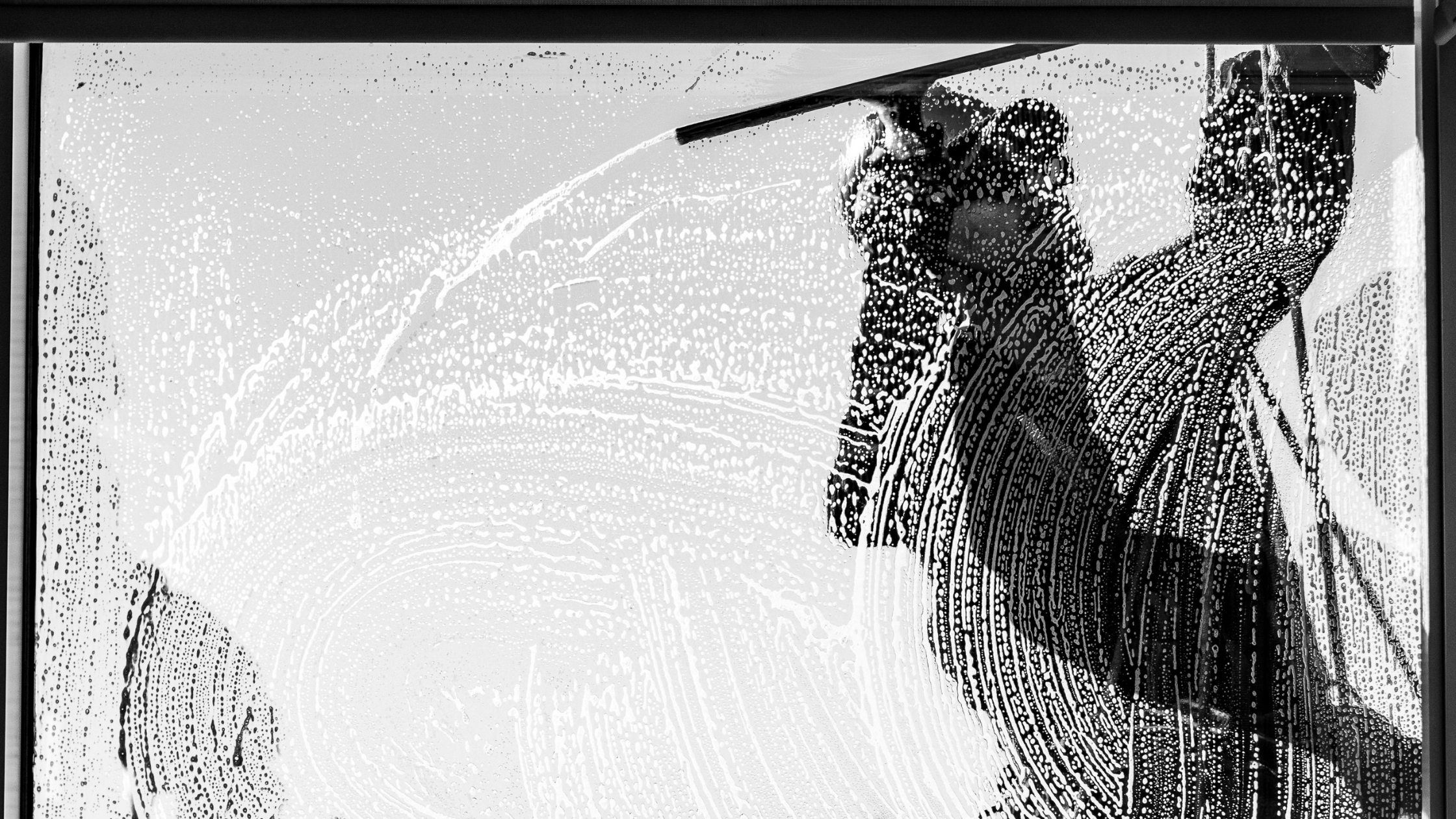
window cleaner outside a window

Why the Beginning of the Year Is the Perfect Time for Professional Window Cleaning

The start of a new year often brings fresh goals, clean slates, and renewed focus. For homeowners and commercial property managers alike, it is also one of the smartest times to schedule professional window cleaning.

While many people wait until spring, the beginning of the year offers unique advantages that set your property up for long-term cleanliness, improved appearance, and better maintenance throughout the months ahead.

Remove Winter Buildup Before It Causes Damage

Winter weather leaves behind more than just cold temperatures. Dirt, mineral deposits, hard water stains, and environmental pollutants can accumulate on your windows over time. Snow, rain, and wind can push debris against the glass, and if left untreated, these contaminants can gradually etch and weaken window surfaces.

Scheduling professional window cleaning early in the year helps:

  • Remove corrosive buildup

  • Prevent long-term glass damage

  • Protect window seals and frames

  • Extend the lifespan of your windows

Addressing these issues before they worsen can reduce the risk of permanent staining or costly repairs later on.

Improve Natural Light During Shorter Days

Natural light plays a powerful role in mood, productivity, and overall well-being. During the darker months of the year, clean windows make a noticeable difference.

For homeowners, clearer glass allows more sunlight to enter living spaces, brightening interiors and creating a fresher atmosphere. For commercial properties, improved natural light enhances employee productivity and leaves a positive impression on clients and visitors.

Even a thin layer of grime can significantly reduce the amount of light entering your building. A professional cleaning restores clarity and maximizes brightness.

Start the Year With a Professional Appearance

For commercial buildings especially, first impressions matter. Clients, tenants, and customers notice the condition of your property before they ever step inside.

Clean windows signal attention to detail, professionalism, and pride in your facility. Beginning the year with polished, streak-free glass sets the tone for the months ahead and reinforces your company’s commitment to excellence.

Homeowners benefit as well. Clean windows enhance curb appeal and create a fresh look that aligns perfectly with the “new year” mindset.

Prepare for Seasonal Changes

The early part of the year is an ideal time to establish a maintenance routine before peak seasons arrive. As spring and summer approach, pollen, dust, insects, and increased foot traffic can quickly affect window cleanliness.

By starting the year with a professional cleaning, you create a clean baseline. From there, ongoing maintenance becomes easier and more effective.

For commercial property managers, this proactive approach helps avoid the rushed scheduling that often occurs during peak spring demand.

Identify Small Issues Before They Become Bigger Problems

Professional window cleaning is not just about appearance. It also provides an opportunity to spot potential maintenance concerns.

Trained technicians may identify:

  • Failing seals

  • Cracked or chipped glass

  • Damaged screens

  • Caulking issues

  • Water intrusion concerns

Catching these issues early can prevent more extensive repairs down the line.

Boost Morale and Energy

A clean, bright environment positively affects how people feel in a space. Employees tend to perform better in well-maintained workplaces. Homeowners enjoy spending time in rooms that feel fresh and inviting.

The beginning of the year is often a time of renewed motivation. Clean windows reinforce that sense of order and care.

Set a Consistent Maintenance Schedule

Scheduling a professional window cleaning at the start of the year makes it easier to plan ongoing service. Whether you prefer annual, bi-annual, or quarterly cleanings, beginning now establishes a predictable maintenance cycle.

For commercial properties, consistent service reduces long-term buildup and protects your investment. For homeowners, routine cleaning keeps windows looking their best year-round.

Make a Fresh Start Today

The new year is about momentum. It is about starting strong and staying ahead.

If your home or commercial building’s windows have not been professionally cleaned recently, now is the ideal time to schedule service. Removing winter buildup, improving natural light, and protecting your property’s appearance can make a lasting impact.

Contact us today to schedule your professional window cleaning and start the year with a clearer view.

two escalators inside a mall

The Benefits of Regular Building Maintenance Services for Your Business

Your commercial building represents one of your most significant business investments. Whether you own the property or lease space, the condition of your facility directly impacts your operations, finances, and professional reputation. Yet many business owners treat building maintenance as an afterthought—addressing problems only when they become urgent and expensive. This reactive approach costs far more than proactive care and creates unnecessary risks for your business.

Regular building maintenance services offer substantial benefits that extend well beyond keeping your property looking presentable. From reducing long-term costs to protecting employee health and safety, a systematic maintenance program delivers measurable returns that impact your bottom line. Let’s explore why regular building maintenance should be a priority for every business.

Significant Cost Savings Over Time

The most compelling financial argument for regular maintenance is simple: prevention costs far less than repair. A small roof leak caught during routine inspection might require a $500 repair. That same leak, left undetected for months, can cause thousands of dollars in water damage to ceilings, walls, inventory, and equipment.

This pattern repeats across every building system. HVAC systems maintained regularly operate efficiently for 15-20 years; neglected systems fail prematurely and consume excess energy throughout their shortened lifespan. Carpets professionally cleaned every few months last years longer than those cleaned only when visibly dirty. Parking lots sealed and maintained require resurfacing every 15-20 years instead of every 7-10 years.

Regular maintenance also allows you to plan and budget for repairs and replacements. Scheduled maintenance reveals when systems are approaching end-of-life, allowing you to budget accordingly rather than facing emergency replacements that strain cash flow and disrupt operations.

Enhanced Professional Image and Curb Appeal

First impressions matter in business. Clients, customers, and potential employees form immediate judgments about your company based on your facility’s appearance. Stained carpets, dirty windows, grimy exteriors, and unkempt grounds send a message that your business doesn’t pay attention to details or maintain high standards.

Regular maintenance ensures your facility always presents professionally. Clean windows maximize natural light and create welcoming spaces. Spotless floors and surfaces demonstrate attention to quality. Well-maintained exteriors project success and stability. These visual signals influence client confidence, employee pride, and your overall brand perception.

For businesses that host clients on-site—whether retail stores, professional offices, or service facilities—building appearance directly impacts revenue. Customers gravitate toward clean, well-maintained businesses and avoid those that appear neglected or run-down.

Improved Employee Health, Safety, and Productivity

Building condition significantly affects employee wellbeing and performance. Poor indoor air quality from unmaintained HVAC systems contributes to respiratory issues, allergies, and increased sick days. Dirty carpets harbor allergens and bacteria. Inadequate lighting strains eyes and reduces productivity. Uncomfortable temperatures from failing climate control systems distract workers and reduce efficiency.

Regular maintenance addresses these issues proactively. Professional cleaning removes allergens and contaminants that affect air quality. HVAC maintenance ensures proper ventilation and comfortable temperatures. Regular facility upkeep identifies and resolves safety hazards before they cause injuries.

The result is a healthier, more comfortable work environment where employees feel valued and can focus on their work rather than being distracted by facility problems. Reduced sick days, fewer workplace injuries, and improved morale all contribute to your bottom line.

Extended Lifespan of Building Systems and Materials

Every building component has a designed lifespan, but actual longevity depends heavily on maintenance quality. Roofing systems illustrate this perfectly: a commercial roof properly maintained can last 25-30 years, while a neglected roof might fail in 15 years. The difference represents tens of thousands of dollars in premature replacement costs.

This principle applies throughout your building. Flooring, HVAC systems, plumbing, electrical systems, and even structural components all last longer when properly maintained. Regular cleaning prevents material degradation. Routine inspections catch small issues before they cause system failures. Preventive service keeps equipment operating within design parameters, reducing wear and extending operational life.

By maximizing the lifespan of existing systems and materials, regular maintenance defers capital expenditures and improves return on your initial investment.

Compliance with Regulations and Insurance Requirements

Many building systems are subject to regulatory requirements and building codes. HVAC systems, fire safety equipment, elevators, and other critical systems require regular inspection and maintenance to remain compliant. Failure to maintain proper documentation of these services can result in citations, fines, or even facility closures.

Insurance policies often include maintenance requirements as conditions of coverage. Neglecting required maintenance can void coverage or result in claim denials when you need insurance most. Regular maintenance ensures ongoing compliance and protects your insurance coverage.

Higher Property Values and Easier Exits

For business owners who own their facilities, regular maintenance directly impacts property value. Well-maintained buildings command higher sale prices and attract buyers more readily than properties showing deferred maintenance. During property sales, comprehensive maintenance records demonstrate responsible ownership and reduce buyer concerns about hidden problems.

Even for businesses that lease, maintaining your space properly can improve lease renewal terms, reduce end-of-lease costs, and preserve relationships with property owners.

Reduced Emergency Situations and Business Interruptions

Equipment failures and building problems don’t respect your business schedule. They create emergencies that disrupt operations, require expensive overtime repairs, and sometimes force temporary closures. Regular maintenance dramatically reduces these disruptions by identifying and addressing issues during scheduled service rather than unexpected failures.

Planned maintenance occurs at convenient times with minimal business impact. Emergency repairs happen when they happen—often at the worst possible moment—and typically cost 2-3 times more than the same work performed on a scheduled basis.

Peace of Mind and Focus on Core Business

Managing a business involves countless demands on your time and attention. Regular maintenance services provide peace of mind that your facility is being professionally cared for, allowing you to focus on your core business activities rather than worrying about building problems.

Professional maintenance providers bring expertise you likely don’t have in-house. They identify issues you might miss, know the appropriate service intervals for different systems, and can coordinate multiple trades efficiently. This expertise protects your investment while freeing you to focus on what you do best.

For The Road

Regular building maintenance isn’t an expense—it’s an investment that delivers measurable returns through cost savings, enhanced property value, improved employee productivity, and reduced risk. The businesses that thrive over decades treat their facilities as strategic assets requiring professional care, not problems to be ignored until they become crises.

Whether you’re managing a small office or a large commercial facility, implementing a regular maintenance program with qualified service providers protects your investment and supports your business success. The question isn’t whether you can afford regular maintenance—it’s whether you can afford not to maintain your facility properly.

pressure washing caution sign

Why Pressure Washing Is the Most Important Part of Your 2026 Curb Appeal Strategy in the Treasure Valley

Why Pressure Washing Is the Most Important Part of Your 2026 Curb Appeal Strategy for Your Business or Storefront

First impressions matter more than ever in 2026. For businesses and storefronts across the Treasure Valley, curb appeal is no longer just about aesthetics. It is about trust, professionalism, safety, and brand reputation.

One of the most effective and often overlooked ways to improve curb appeal is professional pressure washing. From sidewalks and building exteriors to parking lots and entryways, pressure washing plays a critical role in how customers perceive your business before they ever step inside.

As competition increases across Boise, Meridian, Nampa, and surrounding communities, pressure washing should be a cornerstone of any commercial property maintenance strategy.


What Is Pressure Washing in a Commercial Setting?

Commercial pressure washing uses specialized equipment to remove dirt, grime, mold, algae, oil stains, and other buildup from exterior surfaces. Unlike residential cleaning, commercial pressure washing requires experience, proper water pressure control, and surface-specific techniques.

Common Areas That Benefit From Pressure Washing

Pressure washing is commonly used to clean:

  • Sidewalks and walkways

  • Storefronts and building exteriors

  • Parking lots and parking garages

  • Entryways and loading areas

  • Dumpster pads and service zones

  • Outdoor seating and common areas

For businesses throughout the Treasure Valley, these surfaces are exposed to weather, vehicle traffic, foot traffic, and environmental buildup year-round.


Why Curb Appeal Matters More in 2026

Consumer expectations continue to rise, and physical appearance plays a major role in customer decision-making.

Customers Judge Before They Enter

Potential customers often form opinions about a business within seconds. Dirty sidewalks, stained concrete, and grimy building exteriors can signal neglect, even if the interior is spotless.

In high-traffic areas of Boise and Meridian, businesses compete closely for attention. A clean, well-maintained exterior helps your storefront stand out and communicates professionalism and care.

Brand Reputation Starts Outside

Your exterior appearance is an extension of your brand. Clean surfaces suggest reliability, attention to detail, and pride in your business. Pressure washing helps reinforce a positive brand image long before customers interact with your staff or services.


Pressure Washing Improves Safety and Reduces Liability

Curb appeal is not only about looks. It is also about safety.

Removing Slip Hazards

Moss, algae, oil, and grease can accumulate on sidewalks and entryways, especially during Idaho’s wet and cold seasons. These substances increase the risk of slips and falls.

Routine pressure washing removes hazardous buildup and helps keep walkways safer for customers, employees, and delivery personnel.

Protecting Property Owners and Managers

Slip-and-fall incidents can lead to costly claims and legal exposure. Regular pressure washing demonstrates proactive maintenance and can help reduce liability risks for commercial property owners across the Treasure Valley.


Protecting and Extending the Life of Exterior Surfaces

Pressure washing is not just cosmetic. It is preventative maintenance.

Preventing Long-Term Damage

Dirt, mold, mildew, and pollutants can break down concrete, brick, siding, and other exterior materials over time. If left untreated, these issues may lead to costly repairs or premature replacement.

Routine pressure washing helps preserve exterior surfaces and extends their lifespan, saving money over the long term.

Maintaining Property Value

For property managers and business owners in Boise, Nampa, and Caldwell, maintaining exterior cleanliness helps protect property value and supports long-term investment goals.


Why Pressure Washing Is Essential for High-Traffic Businesses

Businesses with high foot traffic face additional challenges.

Managing Daily Wear and Tear

Retail storefronts, restaurants, medical offices, and multi-tenant commercial buildings experience constant foot traffic. This leads to faster buildup of dirt, stains, and debris in entryways and walkways.

Pressure washing keeps these areas clean and presentable even during busy seasons.

Supporting Customer Experience

Customers are more likely to feel comfortable and confident entering a clean environment. A pressure-washed exterior sets the tone for a positive customer experience from the moment someone arrives.


Seasonal Considerations in the Treasure Valley

Idaho’s climate creates unique challenges for exterior maintenance.

Winter and Spring Buildup

Snow, ice melt, sand, and road debris can leave behind stains and residue. Spring runoff often reveals months of accumulated grime that impacts curb appeal.

Summer and Fall Maintenance

Summer brings dust and pollen, while fall introduces leaves and organic debris. Regular pressure washing throughout the year helps businesses stay ahead of seasonal buildup.

For Treasure Valley businesses, scheduling pressure washing as part of an annual or semi-annual maintenance plan is a smart strategy.


Professional Pressure Washing vs. DIY Approaches

While some businesses attempt pressure washing on their own, professional services offer significant advantages.

The Risks of DIY Pressure Washing

Improper pressure levels can damage concrete, siding, signage, and landscaping. Inconsistent cleaning can leave visible streaks or fail to remove deep stains.

Benefits of Professional Pressure Washing Services

Professional providers bring:

  • Commercial-grade equipment

  • Surface-specific cleaning expertise

  • Environmentally responsible practices

  • Consistent, reliable results

For businesses across the Treasure Valley, working with a professional pressure washing provider ensures safe and effective cleaning without risking property damage.


Why Pressure Washing Should Be a Priority in 2026

As customer expectations rise and competition grows, businesses must focus on visible improvements that deliver immediate impact. Pressure washing is one of the fastest and most cost-effective ways to improve curb appeal, enhance safety, and reinforce brand credibility.

In 2026, businesses that invest in regular exterior maintenance will be better positioned to attract customers, retain tenants, and protect their properties.


Supporting Your Curb Appeal Strategy With Howard Building Maintenance

Howard Building Maintenance provides professional pressure washing services for businesses and commercial properties throughout the Treasure Valley. Our team understands the local climate, surface types, and safety considerations required to keep storefronts and facilities looking their best year-round.

From sidewalks and entryways to parking areas and building exteriors, we help businesses in Boise, Meridian, Nampa, and surrounding communities maintain clean, professional appearances that make a lasting impression.


Final Thoughts

Pressure washing is more than an optional service. It is a critical component of a successful curb appeal strategy for businesses and storefronts in 2026. Clean exteriors improve perception, safety, and long-term property value.

For Treasure Valley businesses looking to stand out and protect their investments, prioritizing professional pressure washing is a smart and impactful decision. Contact us today to get started!

Janitor taking out trash bags to garbage

Day Porter vs. Nightly Crews: Which Visible Cleaning Service Is Right for Your Treasure Valley Facility?

Day Porter vs. Nightly Crews: Which Visible Cleaning Service Is Right for Your High-Traffic Facility?

High-traffic commercial facilities face a common challenge. Keeping spaces clean, safe, and presentable throughout the day while also ensuring deep, thorough cleaning after hours. For businesses across Boise and the Treasure Valley, choosing between day porter services and nightly cleaning crews is not always a simple decision.

Both services play an important role in maintaining professional environments, but they serve very different purposes. Understanding the differences can help facility managers make informed decisions that improve cleanliness, safety, and customer experience.


What Is a Day Porter Service?

Day porter services provide ongoing, visible cleaning during business hours. A day porter is on-site throughout the day, actively maintaining cleanliness as people move through the facility.

Typical Day Porter Responsibilities

Day porters focus on real-time cleaning and upkeep, which may include:

  • Cleaning and restocking restrooms throughout the day

  • Wiping down high-touch surfaces such as door handles and counters

  • Spot cleaning floors and addressing spills immediately

  • Emptying trash and recycling bins

  • Maintaining lobbies, entryways, and common areas

  • Supporting event setup or unexpected messes

For high-traffic facilities in Boise, Meridian, and Nampa, day porters act as a proactive solution to cleanliness challenges before they become visible problems.


What Are Nightly Cleaning Crews?

Nightly cleaning crews work after business hours to perform comprehensive cleaning tasks without disrupting daily operations. This type of service focuses on deep cleaning rather than continuous upkeep.

Typical Nightly Cleaning Responsibilities

Nightly crews often handle tasks such as:

  • Thorough floor cleaning, including vacuuming, mopping, and auto-scrubbing

  • Full restroom sanitation

  • Trash removal and liner replacement

  • Dusting surfaces and furniture

  • Cleaning break rooms and kitchens

  • Preparing the facility for the next business day

For many Treasure Valley businesses, nightly cleaning is the foundation of a consistent and professional appearance.


Key Differences Between Day Porters and Nightly Crews

While both services contribute to a clean facility, their roles differ significantly.

Visibility and Presence

Day porters are highly visible and interact indirectly with staff, customers, and visitors. Their presence reassures occupants that cleanliness is being actively managed throughout the day.

Nightly crews operate behind the scenes. Their work is essential but largely unseen by the public.

Timing and Purpose

Day porter services address cleanliness in real time, preventing messes from accumulating. Nightly crews focus on resetting the facility and performing detailed cleaning tasks after hours.

Flexibility

Day porters can respond immediately to spills, weather-related messes, or unexpected needs. Nightly crews follow structured checklists designed for deep cleaning rather than on-demand response.


Which Facilities Benefit Most From Day Porter Services?

Day porter services are especially valuable for facilities with constant foot traffic or high public visibility.

Common High-Traffic Facilities in the Treasure Valley

  • Office buildings and corporate campuses

  • Medical offices and healthcare facilities

  • Retail centers and shopping plazas

  • Schools and educational facilities

  • Government buildings

  • Large apartment and mixed-use properties

In these environments, maintaining cleanliness throughout the day directly impacts safety, perception, and tenant satisfaction.


When Nightly Cleaning Crews Are the Right Choice

Nightly cleaning crews are ideal for facilities where most activity occurs during standard business hours and where disruptions must be minimized.

Facilities That Rely Heavily on Nightly Cleaning

  • Professional offices

  • Financial institutions

  • Industrial facilities

  • Small to mid-sized commercial buildings

For many Boise-area businesses, nightly cleaning provides the consistency and thoroughness needed to maintain professional standards.


Why Many Facilities Choose Both

In many cases, the most effective solution is not choosing one over the other, but combining both services.

The Hybrid Cleaning Approach

A hybrid approach uses:

  • Day porters to maintain cleanliness, safety, and appearance during business hours

  • Nightly crews to perform deep cleaning and detailed sanitation after hours

This strategy is especially effective for hospitals, large office buildings, and busy commercial properties across the Treasure Valley where cleanliness expectations are high.


Factors to Consider When Choosing a Cleaning Strategy

When deciding between day porter services, nightly cleaning crews, or a combination of both, facility managers should consider:

  • Daily foot traffic volume

  • Visibility of the space to clients or the public

  • Industry-specific cleanliness requirements

  • Budget and staffing considerations

  • Health and safety priorities

A professional cleaning provider can help evaluate these factors and recommend the most effective solution.


Supporting High-Traffic Facilities With Howard Building Maintenance

Howard Building Maintenance provides reliable day porter services and nightly cleaning solutions for commercial facilities throughout the Treasure Valley. Our team works closely with facility managers to design customized cleaning plans that support safety, professionalism, and operational efficiency.

From Boise and Meridian to Nampa and surrounding communities, we help high-traffic facilities maintain clean, welcoming environments day and night.


Final Thoughts

Choosing between day porter services and nightly cleaning crews depends on how your facility is used and what level of visibility and responsiveness is required. Both services play a vital role in maintaining clean and professional environments.

For high-traffic facilities in the Treasure Valley, understanding the difference can lead to smarter decisions, better cleanliness outcomes, and improved experiences for everyone who enters your building. Contact us today to get started.

health care tools of the trade on a table.

Why EVS Is Vital for Hospital Cleanliness and Safety

Hospitals and healthcare facilities throughout the Treasure Valley face a unique challenge. They must maintain the highest standards of cleanliness while operating around the clock, serving vulnerable patients, and complying with strict regulatory requirements. This is where Environmental Services, commonly referred to as EVS, plays a vital role.

EVS teams are the frontline defenders against infection, cross-contamination, and unsafe environments. Their work directly impacts patient outcomes, staff safety, and the reputation of healthcare facilities in Boise, Meridian, Nampa, and surrounding communities.

Understanding why EVS matters helps hospital administrators, facility managers, and healthcare leaders make informed decisions about cleaning protocols and professional maintenance partnerships.


What Is EVS in a Hospital Setting?

Environmental Services in healthcare refers to specialized cleaning and sanitation practices designed specifically for medical environments. Unlike standard commercial cleaning, hospital EVS focuses on infection prevention, patient safety, and regulatory compliance.

Key Responsibilities of Hospital EVS Teams

EVS professionals are responsible for far more than surface-level cleaning. Their duties typically include:

  • Cleaning and disinfecting patient rooms, operating rooms, and isolation areas

  • Sanitizing high-touch surfaces such as bed rails, door handles, and medical equipment

  • Managing biohazard waste and sharps disposal

  • Supporting terminal cleaning procedures after patient discharge

  • Maintaining cleanliness in common areas, hallways, and waiting rooms

In healthcare settings across the Treasure Valley, these responsibilities must be executed with precision, consistency, and a deep understanding of infection control standards.


How EVS Impacts Patient Safety

Hospital cleanliness is directly linked to patient health outcomes. Inadequate cleaning can increase the risk of healthcare-associated infections, which are a serious concern for hospitals nationwide.

Reducing Healthcare-Associated Infections

Healthcare-associated infections can spread through contaminated surfaces, shared equipment, and improper cleaning techniques. EVS teams help minimize these risks by using hospital-grade disinfectants, following evidence-based protocols, and targeting high-risk areas.

For hospitals in Boise and the greater Treasure Valley, strong EVS practices are essential for protecting patients with weakened immune systems, recent surgical procedures, or chronic illnesses.

Creating a Safe Healing Environment

Cleanliness also influences patient perception. A visibly clean and well-maintained hospital fosters trust, reduces anxiety, and supports the healing process. Patients and their families expect healthcare facilities to meet the highest standards, and EVS plays a major role in meeting those expectations.


Protecting Healthcare Workers and Staff

Patient safety is only part of the equation. EVS also protects doctors, nurses, technicians, and support staff who work long hours in demanding environments.

Minimizing Occupational Health Risks

Healthcare workers are exposed to pathogens, bodily fluids, and contaminated surfaces daily. Proper EVS protocols help reduce the risk of illness, workplace injuries, and cross-contamination between departments.

Supporting Operational Efficiency

When EVS teams operate effectively, healthcare staff can focus on patient care rather than cleaning concerns. Reliable environmental services support smoother operations, faster room turnover, and improved workflow throughout the facility.


Regulatory Compliance and Industry Standards

Hospitals and healthcare facilities in Idaho must comply with rigorous cleaning and sanitation standards set by regulatory bodies and accrediting organizations.

Meeting Compliance Requirements

EVS plays a crucial role in helping hospitals meet expectations related to:

  • Infection control policies

  • Joint Commission readiness

  • OSHA safety standards

  • Internal quality assurance audits

Failure to meet these standards can result in penalties, reputational damage, and increased liability. Professional EVS programs help Treasure Valley healthcare facilities stay compliant and inspection-ready year-round.


The Importance of Specialized EVS Training

Hospital environments require specialized knowledge and training. EVS professionals must understand how to clean different surfaces, manage hazardous materials, and follow strict protocols without disrupting patient care.

Why Healthcare Cleaning Is Different

Medical facilities contain sensitive equipment, specialized flooring, and high-risk areas that require precise cleaning methods. EVS teams must know when and how to use specific disinfectants, avoid cross-contamination, and adapt to different clinical settings.

For hospitals in Meridian, Nampa, Caldwell, and Boise, partnering with an experienced EVS provider ensures that cleaning staff are trained to meet healthcare-specific demands.


EVS and Public Health in the Treasure Valley

Healthcare facilities are central to public health in the Treasure Valley. Clean, safe hospitals help prevent the spread of illness beyond their walls and into the community.

Strong EVS practices support:

  • Reduced transmission of infectious diseases

  • Improved patient recovery times

  • Safer working conditions for healthcare professionals

  • Greater trust in local healthcare systems

By investing in effective EVS programs, hospitals contribute to healthier communities across southwest Idaho.


Why Professional EVS Support Matters

While some facilities rely on internal cleaning staff, many hospitals choose to work with professional building maintenance partners who specialize in healthcare environments.

Benefits of Working With a Professional EVS Provider

A professional EVS partner offers:

  • Trained and experienced healthcare cleaning teams

  • Consistent staffing and quality control

  • Access to hospital-grade products and equipment

  • Scalable services for facilities of all sizes

For healthcare facilities throughout the Treasure Valley, this level of expertise can make a meaningful difference in cleanliness, compliance, and patient safety.


Supporting Hospital Cleanliness With Howard Building Maintenance

Howard Building Maintenance understands the unique demands of healthcare environments. With experience serving commercial and institutional facilities across the Treasure Valley, our team provides reliable, detail-focused cleaning services designed to support hospital safety and operational excellence.

From patient rooms to high-traffic common areas, we help healthcare facilities in Boise, Meridian, Nampa, and surrounding communities maintain clean, compliant, and welcoming environments.


Final Thoughts on EVS in Healthcare

Environmental Services is not just a support function. It is a critical component of hospital operations, patient safety, and public health. Strong EVS practices help prevent infections, protect healthcare workers, and uphold the standards patients expect from trusted medical facilities.

For hospitals and healthcare administrators in the Treasure Valley, prioritizing EVS is an investment in safety, compliance, and long-term success. Contact us today to learn more about how we can help you with these services.

picture of an empty restaurant that has just been commercially cleaned

Effortless Clean: How Professional Janitorial Services Transform Your Restaurant

A clean restaurant is essential for more than just appearances. It affects food safety, customer experience, employee morale, and your reputation. In the fast-paced environment of food service, maintaining that level of cleanliness can be overwhelming for staff who are already stretched thin. This is why many restaurants turn to professional janitorial services to handle the heavy lifting.

A high-quality janitorial team provides deep, consistent cleaning that enhances your restaurant’s operations and helps you maintain the standards your customers expect. Here is how investing in expert janitorial services can transform your restaurant from the back of the house to the front entrance.


Why Professional Cleaning Matters in a Restaurant Environment

Restaurants face unique sanitation challenges compared to other commercial spaces. High foot traffic, frequent spills, constant food prep, and strict health regulations mean your cleaning needs are both extensive and urgent.

Professional janitorial services help restaurants:

  • Maintain compliance with local and state health codes

  • Reduce cross-contamination risks

  • Improve customer perception and repeat business

  • Extend the lifespan of floors, carpets, and equipment

  • Reduce the workload and stress on kitchen and service staff

A spotless restaurant is not optional. It is a core part of running a successful food-service business.


The Benefits of Using Professional Janitorial Services

A Cleaner, Safer Dining Experience

Commercial janitorial teams go far beyond basic surface cleaning. They remove grime, sanitize high-touch areas, and deep-clean parts of the restaurant that staff may overlook during busy hours. This helps create a safe, healthy, and welcoming environment for diners.

Compliance and Health Code Support

Restaurants are held to strict standards regarding cleanliness. Certified janitorial companies understand health code requirements and can help ensure your establishment stays compliant. This reduces the risk of violations and helps you maintain a strong reputation.

Better First Impressions for Customers

Your dining room, entryway, and restrooms influence how guests perceive the entire dining experience. Clean floors, spotless tables, fresh smells, and sanitized restrooms all contribute to a positive impression that encourages customers to return.


Key Areas Professional Janitorial Services Improve

Dining Areas

Guests notice everything in the front of house. Professional cleaners ensure:

  • Floors are spotless

  • Chairs and tables are fully sanitized

  • Windows and glass are streak-free

  • Trash is managed discreetly and efficiently

These details help maintain a polished, inviting atmosphere.

Restrooms

Restaurant restrooms shape customer perception more than most business owners realize. Janitorial crews ensure:

  • Thorough sanitization

  • Odor control

  • Sparkling fixtures

  • Fully stocked supplies

Clean restrooms directly influence customer satisfaction and brand reputation.

Kitchens and Back-of-House

Kitchen staff perform regular cleaning tasks, but professional support elevates cleanliness to a new level. Services may include:

  • Degreasing floors and high surfaces

  • Deep cleaning behind appliances

  • Sanitizing prep areas

  • Restoring grout and tile

  • Disinfecting high-touch equipment

Consistent deep cleaning lowers contamination risks and supports safe food handling.

Floors and Carpets

Flooring in restaurants takes a beating. Grease, spills, outdoor debris, and heavy foot traffic all cause wear. Janitorial services provide:

  • Machine scrubbing

  • Carpet extraction

  • Tile and grout cleaning

  • Floor sealing or waxing

Routine maintenance keeps floors looking sharp and reduces slip hazards.


How Professional Cleaning Improves Restaurant Operations

Less Pressure on Staff

Your team can focus on customer service and kitchen duties instead of worrying about deep-cleaning tasks. This improves efficiency and reduces burnout.

A More Organized, Efficient Space

Clean, clutter-free workspaces improve speed, safety, and workflow in both front and back of house.

Higher Employee Morale

Staff appreciate working in a clean environment. A well-kept facility shows employees you value their well-being.

Enhanced Reputation and Repeat Business

Modern customers pay attention to cleanliness, and online reviews frequently mention it. Cleaner restaurants earn better reviews, stronger reputations, and more returning guests.


Choosing the Right Janitorial Partner for Your Restaurant

When hiring a cleaning provider, look for:

  • Experience with restaurant-specific sanitation

  • Staff trained in food safety and chemical handling

  • Flexible scheduling (overnight cleaning, deep-cleaning services, etc.)

  • Knowledge of local health regulations

  • Customized cleaning plans based on your layout and foot traffic

The right janitorial partner will feel like an extension of your team.


Conclusion

A truly clean restaurant does more than shine; it creates a safe, comfortable, and memorable experience for everyone who walks through your doors. With professional janitorial services handling deep cleaning, sanitation, and maintenance, your staff can stay focused on what they do best — delivering excellent food and service.

cleaning glove with sponge

Commercial vs Residential Cleaning: Key Differences Explained

Cleaning may seem straightforward, but commercial and residential cleaning are two very different specialties. Although both ensure a clean and healthy environment, the tools, scope, frequency, and standards involved vary significantly. For businesses looking to hire the right cleaning partner, understanding these differences helps you make an informed decision and ensures your building receives the level of care it truly needs.

Below, we break down the major distinctions between commercial and residential cleaning and why your facility may require a professional team with commercial-specific expertise.


Purpose and Expectations Differ Greatly

Residential cleaning focuses on comfort, aesthetics, and everyday upkeep for individual homeowners. Commercial cleaning, on the other hand, prioritizes safety, sanitation, compliance, and consistent appearance within workplaces.

Residential Cleaning Goals Include:

  • Maintaining a tidy, comfortable living space

  • Dusting, vacuuming, and surface-level cleaning

  • Cleaning kitchens, bathrooms, and common living areas

  • Light organizing and general upkeep

Commercial Cleaning Goals Include:

  • Meeting workplace sanitation, safety, and compliance standards

  • Supporting high-traffic environments

  • Preventing illness and improving indoor air quality

  • Maintaining professional spaces for employees, clients, and visitors

These expectations create the foundation for deeper differences in skill, equipment, and cleaning routines.


Commercial Buildings Require Specialized Tools and Equipment

Commercial cleaning rarely uses the same products found in a typical home.

Commercial Tools Often Include:

  • Industrial-grade floor scrubbers

  • HEPA-filtered vacuums

  • Electrostatic sprayers

  • Commercial steam machines

  • High-strength disinfectants

  • Carpet extractors for large areas

These tools are designed for scale. They clean faster, reach deeper, and meet the demands of environments with constant foot traffic.

Residential Tools Typically Include:

  • Light-duty vacuums

  • Household cleaning sprays

  • Standard mops

  • Microfiber cloths

Effective for homes, yes — but not nearly enough for commercial environments.


Cleaning Frequency and Scheduling Are Completely Different

Residential cleaning is usually performed weekly, biweekly, or monthly. Commercial cleaning, however, often requires daily service.

Typical Residential Schedules:

  • Weekly or biweekly cleanings

  • Occasional deep cleans

  • One-time move-in or move-out cleans

Typical Commercial Schedules:

  • Daily or nightly janitorial service

  • Multiple cleanings per day for restrooms and break rooms

  • Regular floor care and carpet maintenance

  • Recurring deep-cleaning cycles throughout the year

Commercial cleaning schedules must be coordinated around business hours to minimize disruptions.


Commercial Spaces Have More Foot Traffic and Wear

Commercial buildings experience significantly more use than residential homes. Hundreds or even thousands of people may walk through a facility each week.

This leads to:

  • Faster dirt buildup

  • More restroom usage

  • Higher carpet wear

  • Increased dust and debris

  • Greater need for sanitation

Residential spaces, by comparison, have fewer people and slower wear on flooring and surfaces.


Health and Safety Standards Are Higher in Commercial Environments

Businesses must maintain sanitary conditions not just for appearance, but for compliance and liability reasons.

Commercial Cleaning Supports:

  • OSHA and CDC guidelines

  • Industry-specific sanitation requirements (healthcare, education, food service, etc.)

  • Proper waste removal

  • Prevention of slip-and-fall hazards

  • Indoor air quality improvement

Residential cleaning does not typically involve compliance considerations or formal safety protocols.


Commercial Cleaning Requires Trained, Insured Professionals

Residential cleaners often work solo or in small teams. Commercial cleaning companies employ trained staff who understand industry standards, equipment use, and safety procedures.

Commercial Cleaning Teams Are Typically Trained In:

  • Chemical handling

  • Equipment operation

  • Biohazard protocols

  • Workplace safety

  • Proper sanitation techniques

  • Secure access to offices and facilities

Professionalism and reliability are essential, especially for after-hours cleaning.


Specialized Services Are More Common in Commercial Cleaning

Commercial cleaning often includes services that go beyond the scope of residential work.

Examples Include:

  • Restroom sanitation and restocking

  • Hard floor stripping and waxing

  • Carpet extraction for large spaces

  • Window cleaning for multi-story buildings

  • Construction cleanup

  • Pressure washing

  • Day porter services

Most residential cleaners do not offer these types of technical services.


Which Is Right for You?

For homeowners, a residential cleaner meets everyday cleaning needs perfectly. But for businesses, hiring a commercial cleaning company is essential for maintaining safety, cleanliness, professionalism, and compliance.

Commercial cleaners bring the specialized tools, staffing, and expertise needed to protect your building and create a healthier workplace.


Conclusion

While residential and commercial cleaning share the same general purpose, the method, scale, and expectations are dramatically different. Commercial cleaning demands stronger equipment, deeper sanitation, trained staff, and a consistent routine designed to support high-traffic environments. Choosing the right cleaning partner ensures your building stays clean, safe, and inviting all year long.

open sign hanging in a commercial store window

Keeping Floors and Carpets Clean in Winter Weather for Commercial Buildings

Winter weather creates some of the toughest challenges for maintaining clean, professional commercial spaces. With snow, ice, sand, and road salts entering your building on every pair of shoes, floors and carpets quickly become dirty, damaged, and unsafe. For businesses, the goal isn’t just to keep things looking clean. It is also to protect flooring investments, reduce slip hazards, and maintain a positive first impression for employees, clients, and visitors.

Below is a practical guide to help commercial property managers and business owners maintain clean floors and carpets all winter long.


Why Winter Weather Is Hard on Commercial Flooring

When temperatures drop, foot traffic brings several contaminants into your building:

  • Snow and slush, which create wet, slippery surfaces

  • Ice melt chemicals, which stain carpets and erode hard flooring finishes

  • Sand and gravel, which scratch surfaces and embed into carpet fibers

  • Moisture, which leads to mildew, foul odors, and long-term damage

Without a consistent winter cleaning strategy, these issues build up quickly and can be costly to fix.


Best Practices for Keeping Floors Clean All Winter

Use a High-Quality Entrance Mat System

The simplest and most effective floor protection method is installing a multi-stage matting system at every entry point.

Recommended Setup

  • Scraper mats outside to remove large debris

  • Water-absorbent mats inside to trap moisture

  • Extended runners to protect high-traffic walkways

A well-designed matting system can remove 70–80 percent of the dirt and moisture that would otherwise reach your flooring.


Increase Mopping and Vacuuming Frequency

Winter requires more frequent cleaning cycles, especially during peak weather events.

For Hard Floors

  • Mop entrances, lobby areas, and hallways several times per day during storms

  • Use neutral cleaners safe for commercial floor finishes

  • Ensure floors are completely dry to reduce slip hazards

For Carpets

  • Vacuum high-traffic areas daily

  • Use commercial vacuums with HEPA filtration to reduce dust and salt buildup

  • Schedule interim carpet extraction more frequently in winter months


Protect Floors With the Right Cleaning Products

Winter contaminants—especially deicing salts—can degrade flooring if not cleaned correctly.

Key Considerations

  • Use salt-neutralizing cleaners to prevent chemical residue from damaging hard surfaces

  • Use low-moisture carpet cleaners to prevent mildew in cold, damp conditions

  • Avoid harsh chemicals that strip finishes or discolor materials

Selecting proper products ensures longer-lasting flooring and reduces the need for expensive repairs.


Address Moisture Quickly

Moisture is your largest winter flooring threat. It causes slips, stains, swelling, mold, and long-term floor failure.

Moisture Control Tips

  • Dry mop puddles near entryways throughout the day

  • Use air movers in problem areas

  • Replace saturated mats before they leak through

  • Clean spills immediately

Fast response prevents accidents and protects the integrity of your flooring.


Schedule Regular Deep Cleanings During Winter

Daily cleaning keeps things manageable, but winter calls for more routine deep-cleaning services.

Hard Floor Deep Cleaning

  • Machine scrubbing

  • Recoating or refinishing

  • Tile and grout restoration

Carpet Deep Cleaning

  • Hot water extraction

  • Bonnet cleaning for maintenance

  • Salt and stain removal treatments

These services ensure floors stay clean, hygienic, and presentable throughout the season.


Educate Staff and Tenants

Everyone who enters your building plays a role in floor cleanliness.

Ways to Improve Compliance

  • Post signs reminding visitors to wipe their feet

  • Encourage employees to report wet spots or hazards

  • Communicate expectations to tenants about shared spaces

A proactive approach helps maintain cleanliness during heavy weather.


Inspect Entry Points Frequently

Doors, thresholds, and surrounding areas experience the most wear during winter.

Inspection Checklist

  • Look for drafts that blow snow or moisture inside

  • Check thresholds for damage

  • Replace mats that are worn or no longer effective

  • Monitor for puddles and ice melt contamination

Catching issues early prevents larger maintenance problems.


Conclusion

Winter weather puts commercial floors and carpets under constant pressure. With the right preparation, cleaning strategy, and maintenance schedule, your business can keep spaces clean, safe, and professional all season long. Investing in proper winter floor care not only protects your building but also reinforces your company’s commitment to a healthy and welcoming environment.

men's and women's bathroom sign

Commercial Bathroom Cleaning Checklist: How to Build a Reliable Routine

Clean, well-maintained restrooms are one of the strongest indicators of professionalism inside any commercial building. Whether you manage an office, school, healthcare facility, retail space, or industrial building, restrooms directly shape how employees and visitors perceive your organization. A spotless bathroom communicates that you care about health, safety, and overall environment quality.

Yet, bathrooms also happen to be the fastest areas to become unsanitary. High foot traffic, moisture, and shared surfaces mean germs multiply quickly unless you have a dependable cleaning routine in place. Below is a comprehensive, step-by-step commercial bathroom cleaning checklist that helps you maintain consistent cleanliness while protecting the health of your building’s occupants.


Why a Structured Bathroom Cleaning Routine Matters

A predictable, repeatable cleaning system ensures that no important task gets overlooked. It also helps:

  • Reduce the spread of germs and illnesses

  • Improve employee and visitor satisfaction

  • Protect flooring and fixtures from long-term damage

  • Maintain compliance with health and safety standards

  • Keep restrooms smelling and looking clean throughout the day

Commercial bathrooms require more than quick touchups. A clear routine supports better hygiene and a consistently professional appearance.


Daily Bathroom Cleaning Checklist

Step 1: Stock and Prepare the Space

Before cleaning begins, make sure the restroom has proper supplies and is ready for service.

Tasks to Complete

  • Restock toilet paper, paper towels, and soap

  • Ensure trash bins have liners

  • Check for leaks, odors, or maintenance needs

  • Turn on ventilation or open windows

  • Place “Cleaning in Progress” signage


Step 2: Remove Trash and Debris

Before wiping surfaces, remove visible clutter.

Tasks to Complete

  • Empty all trash cans and replace liners

  • Remove paper or debris from floors

  • Clear counters and sinks


Step 3: Clean and Sanitize Toilets and Urinals

These fixtures harbor the highest bacteria levels.

Tasks to Complete

  • Apply bowl cleaner and allow it to sit

  • Scrub bowls, rims, undersides, and seats

  • Sanitize flush handles

  • Wipe down stall walls and partitions

  • Clean exterior surfaces and bases


Step 4: Clean Sinks, Counters, and Mirrors

Sinks and counters show buildup quickly.

Tasks to Complete

  • Clean sinks with disinfectant

  • Sanitize faucets and soap dispensers

  • Wipe and sanitize countertops

  • Polish mirrors

  • Check drains for slow flow


Step 5: Disinfect High-Touch Areas

Touchpoints are major sources of germ transmission.

High-Touch Surfaces to Sanitize

  • Door handles

  • Stall latches

  • Paper towel dispensers

  • Hand dryers

  • Light switches

  • Changing tables

  • Handicap grab bars


Step 6: Clean and Sanitize Floors

Floors accumulate dirt, moisture, and bacteria.

Tasks to Complete

  • Sweep the entire floor

  • Mop using a disinfecting solution

  • Clean behind toilets and in corners

  • Allow floors to dry completely before reopening the restroom


Weekly and Deep-Cleaning Bathroom Tasks

Weekly Deep-Cleaning Checklist

Tasks to Include

  • Machine scrub tile and grout

  • Descale faucets and fixtures

  • Clean vents and air returns

  • Wash walls and high-splash areas

  • Deep-sanitize partitions

  • Polish stainless steel

  • Remove mineral deposits from sinks and drains


Monthly or Quarterly Maintenance Tasks

Tasks to Include

  • Inspect caulking and seals

  • Check for mold or mildew in hidden areas

  • Replace worn fixtures or dispensers

  • Conduct plumbing inspections

  • Reseal or refinish floors if needed


Tips for Maintaining a Consistently Clean Commercial Bathroom

Schedule Cleaning at Predictable Intervals

High-traffic buildings may require multiple cleanings per day. Lower-traffic areas may only need daily care.


Use Professional-Grade Cleaning Products

Commercial-grade disinfectants ensure thorough sanitation without damaging surfaces.


Train Staff on Proper Protocols

Consistency comes from clear, standardized training across your entire team.


Maintain a Visible Cleaning Log

This gives customers confidence that restrooms are regularly maintained.


Consider Hiring a Professional Cleaning Service

A commercial cleaning company ensures consistent, high-level results with the right tools and trained technicians.


Conclusion

A reliable commercial restroom cleaning routine is essential to maintaining a safe, clean, and professional environment. With structured daily cleaning and periodic deep maintenance, your facility can provide a consistently positive experience for staff and visitors alike.