Cleaning may seem straightforward, but commercial and residential cleaning are two very different specialties. Although both ensure a clean and healthy environment, the tools, scope, frequency, and standards involved vary significantly. For businesses looking to hire the right cleaning partner, understanding these differences helps you make an informed decision and ensures your building receives the level of care it truly needs.
Below, we break down the major distinctions between commercial and residential cleaning and why your facility may require a professional team with commercial-specific expertise.
Purpose and Expectations Differ Greatly
Residential cleaning focuses on comfort, aesthetics, and everyday upkeep for individual homeowners. Commercial cleaning, on the other hand, prioritizes safety, sanitation, compliance, and consistent appearance within workplaces.
Residential Cleaning Goals Include:
-
Maintaining a tidy, comfortable living space
-
Dusting, vacuuming, and surface-level cleaning
-
Cleaning kitchens, bathrooms, and common living areas
-
Light organizing and general upkeep
Commercial Cleaning Goals Include:
-
Meeting workplace sanitation, safety, and compliance standards
-
Supporting high-traffic environments
-
Preventing illness and improving indoor air quality
-
Maintaining professional spaces for employees, clients, and visitors
These expectations create the foundation for deeper differences in skill, equipment, and cleaning routines.
Commercial Buildings Require Specialized Tools and Equipment
Commercial cleaning rarely uses the same products found in a typical home.
Commercial Tools Often Include:
-
Industrial-grade floor scrubbers
-
HEPA-filtered vacuums
-
Electrostatic sprayers
-
Commercial steam machines
-
High-strength disinfectants
-
Carpet extractors for large areas
These tools are designed for scale. They clean faster, reach deeper, and meet the demands of environments with constant foot traffic.
Residential Tools Typically Include:
-
Light-duty vacuums
-
Household cleaning sprays
-
Standard mops
-
Microfiber cloths
Effective for homes, yes — but not nearly enough for commercial environments.
Cleaning Frequency and Scheduling Are Completely Different
Residential cleaning is usually performed weekly, biweekly, or monthly. Commercial cleaning, however, often requires daily service.
Typical Residential Schedules:
-
Weekly or biweekly cleanings
-
Occasional deep cleans
-
One-time move-in or move-out cleans
Typical Commercial Schedules:
-
Daily or nightly janitorial service
-
Multiple cleanings per day for restrooms and break rooms
-
Regular floor care and carpet maintenance
-
Recurring deep-cleaning cycles throughout the year
Commercial cleaning schedules must be coordinated around business hours to minimize disruptions.
Commercial Spaces Have More Foot Traffic and Wear
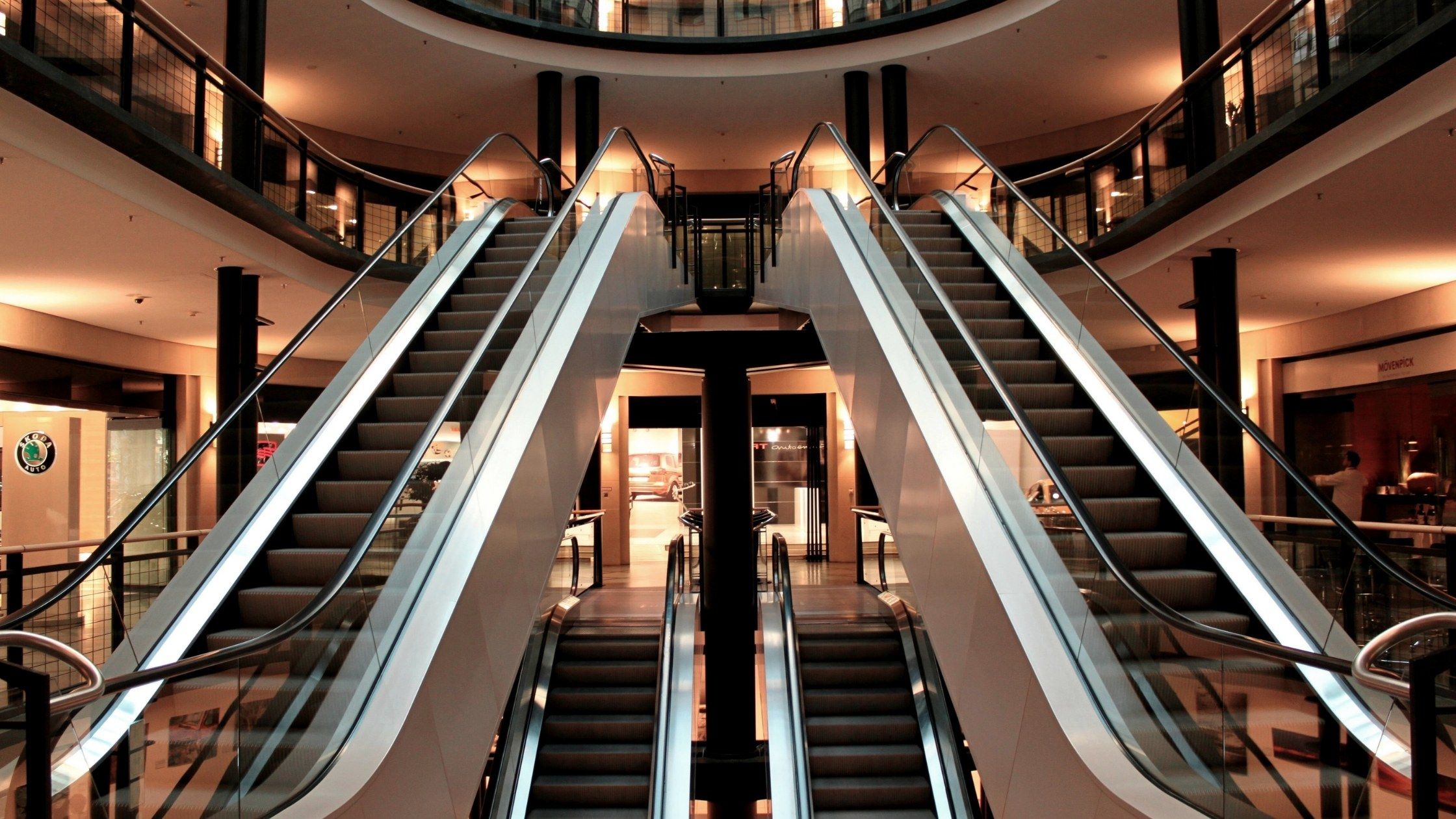
Commercial buildings experience significantly more use than residential homes. Hundreds or even thousands of people may walk through a facility each week.
This leads to:
-
Faster dirt buildup
-
More restroom usage
-
Higher carpet wear
-
Increased dust and debris
-
Greater need for sanitation
Residential spaces, by comparison, have fewer people and slower wear on flooring and surfaces.
Health and Safety Standards Are Higher in Commercial Environments
Businesses must maintain sanitary conditions not just for appearance, but for compliance and liability reasons.
Commercial Cleaning Supports:
-
OSHA and CDC guidelines
-
Industry-specific sanitation requirements (healthcare, education, food service, etc.)
-
Proper waste removal
-
Prevention of slip-and-fall hazards
-
Indoor air quality improvement
Residential cleaning does not typically involve compliance considerations or formal safety protocols.
Commercial Cleaning Requires Trained, Insured Professionals
Residential cleaners often work solo or in small teams. Commercial cleaning companies employ trained staff who understand industry standards, equipment use, and safety procedures.
Commercial Cleaning Teams Are Typically Trained In:
-
Chemical handling
-
Equipment operation
-
Biohazard protocols
-
Workplace safety
-
Proper sanitation techniques
-
Secure access to offices and facilities
Professionalism and reliability are essential, especially for after-hours cleaning.
Specialized Services Are More Common in Commercial Cleaning
Commercial cleaning often includes services that go beyond the scope of residential work.
Examples Include:
-
Restroom sanitation and restocking
-
Hard floor stripping and waxing
-
Carpet extraction for large spaces
-
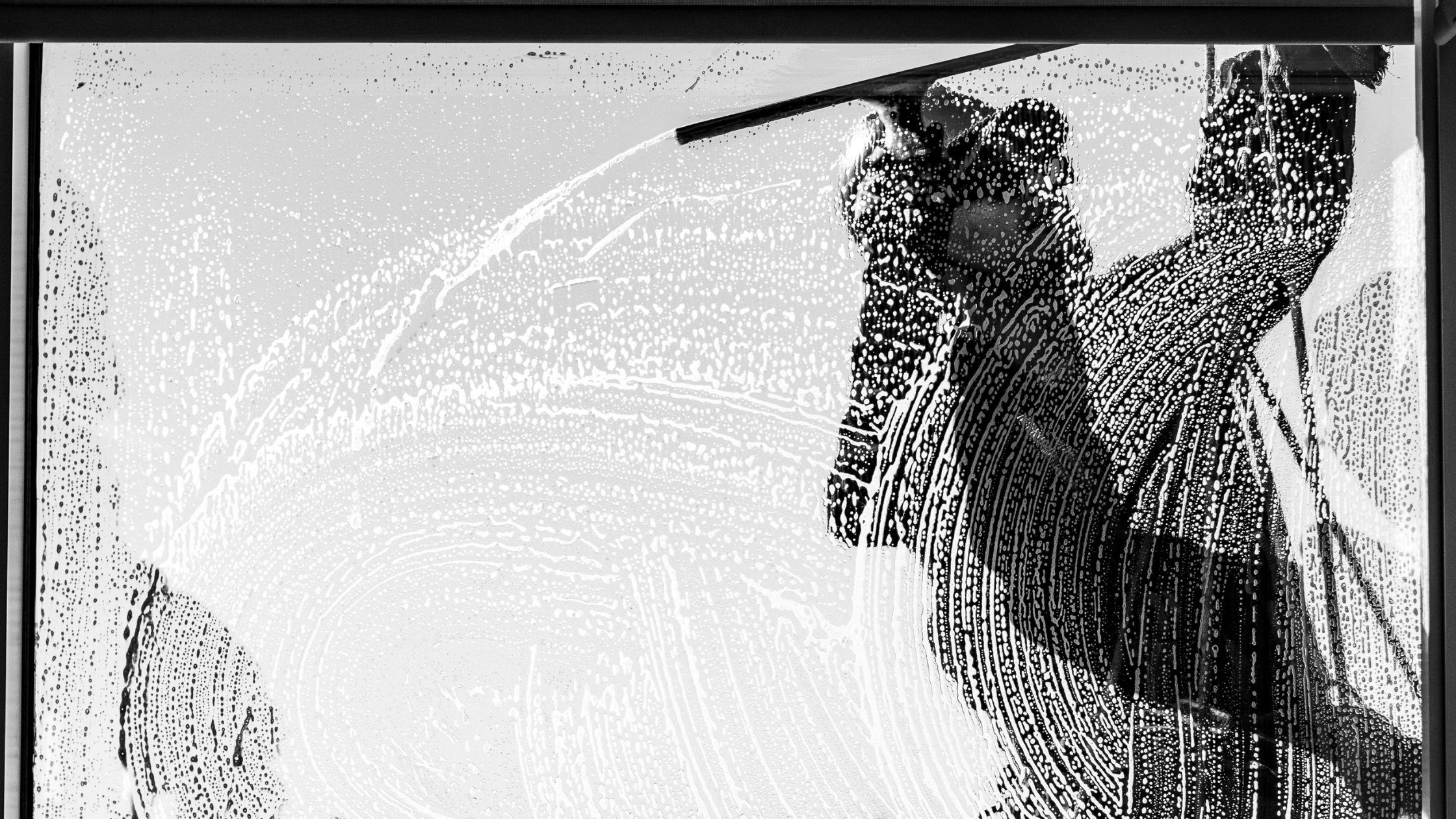
Window cleaning for multi-story buildings
-
Construction cleanup
-
Pressure washing
-
Day porter services
Most residential cleaners do not offer these types of technical services.
Which Is Right for You?
For homeowners, a residential cleaner meets everyday cleaning needs perfectly. But for businesses, hiring a commercial cleaning company is essential for maintaining safety, cleanliness, professionalism, and compliance.
Commercial cleaners bring the specialized tools, staffing, and expertise needed to protect your building and create a healthier workplace.
Conclusion
While residential and commercial cleaning share the same general purpose, the method, scale, and expectations are dramatically different. Commercial cleaning demands stronger equipment, deeper sanitation, trained staff, and a consistent routine designed to support high-traffic environments. Choosing the right cleaning partner ensures your building stays clean, safe, and inviting all year long.