The Benefits of Regular Building Maintenance Services for Your Business
Your commercial building represents one of your most significant business investments. Whether you own the property or lease space, the condition of your facility directly impacts your operations, finances, and professional reputation. Yet many business owners treat building maintenance as an afterthought—addressing problems only when they become urgent and expensive. This reactive approach costs far more than proactive care and creates unnecessary risks for your business.
Regular building maintenance services offer substantial benefits that extend well beyond keeping your property looking presentable. From reducing long-term costs to protecting employee health and safety, a systematic maintenance program delivers measurable returns that impact your bottom line. Let’s explore why regular building maintenance should be a priority for every business.
Significant Cost Savings Over Time
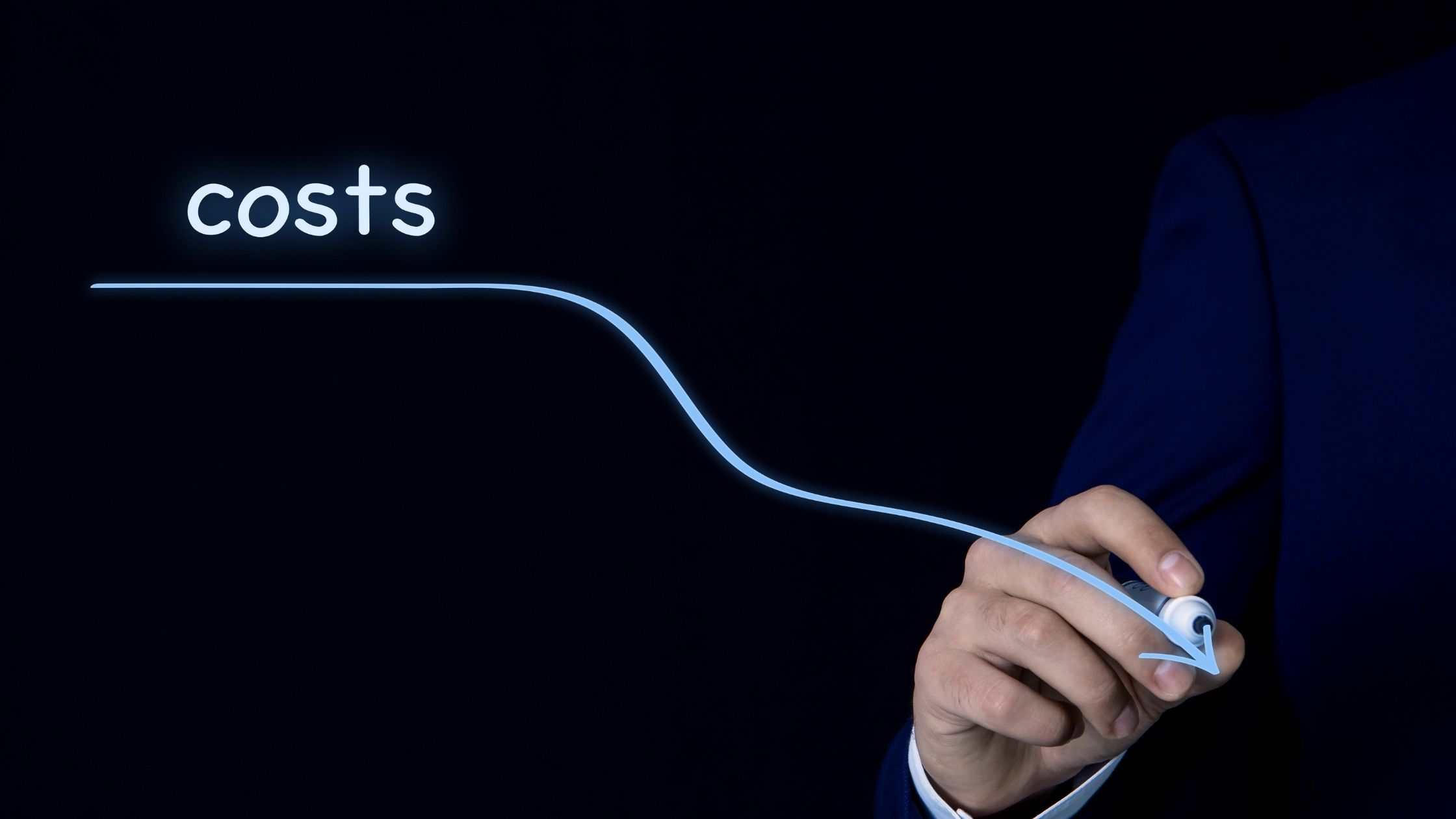
The most compelling financial argument for regular maintenance is simple: prevention costs far less than repair. A small roof leak caught during routine inspection might require a $500 repair. That same leak, left undetected for months, can cause thousands of dollars in water damage to ceilings, walls, inventory, and equipment.
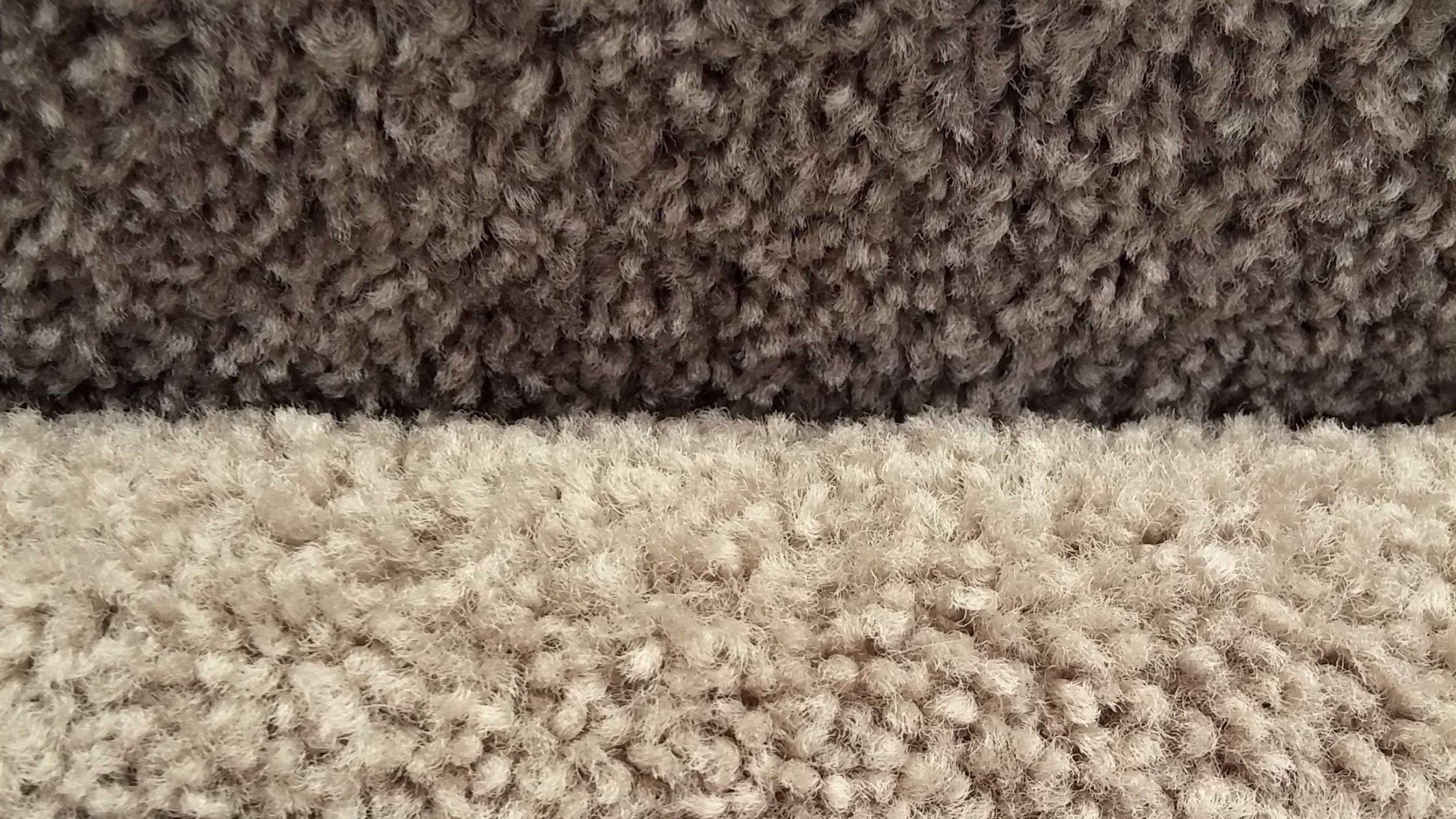
This pattern repeats across every building system. HVAC systems maintained regularly operate efficiently for 15-20 years; neglected systems fail prematurely and consume excess energy throughout their shortened lifespan. Carpets professionally cleaned every few months last years longer than those cleaned only when visibly dirty. Parking lots sealed and maintained require resurfacing every 15-20 years instead of every 7-10 years.
Regular maintenance also allows you to plan and budget for repairs and replacements. Scheduled maintenance reveals when systems are approaching end-of-life, allowing you to budget accordingly rather than facing emergency replacements that strain cash flow and disrupt operations.
Enhanced Professional Image and Curb Appeal
First impressions matter in business. Clients, customers, and potential employees form immediate judgments about your company based on your facility’s appearance. Stained carpets, dirty windows, grimy exteriors, and unkempt grounds send a message that your business doesn’t pay attention to details or maintain high standards.
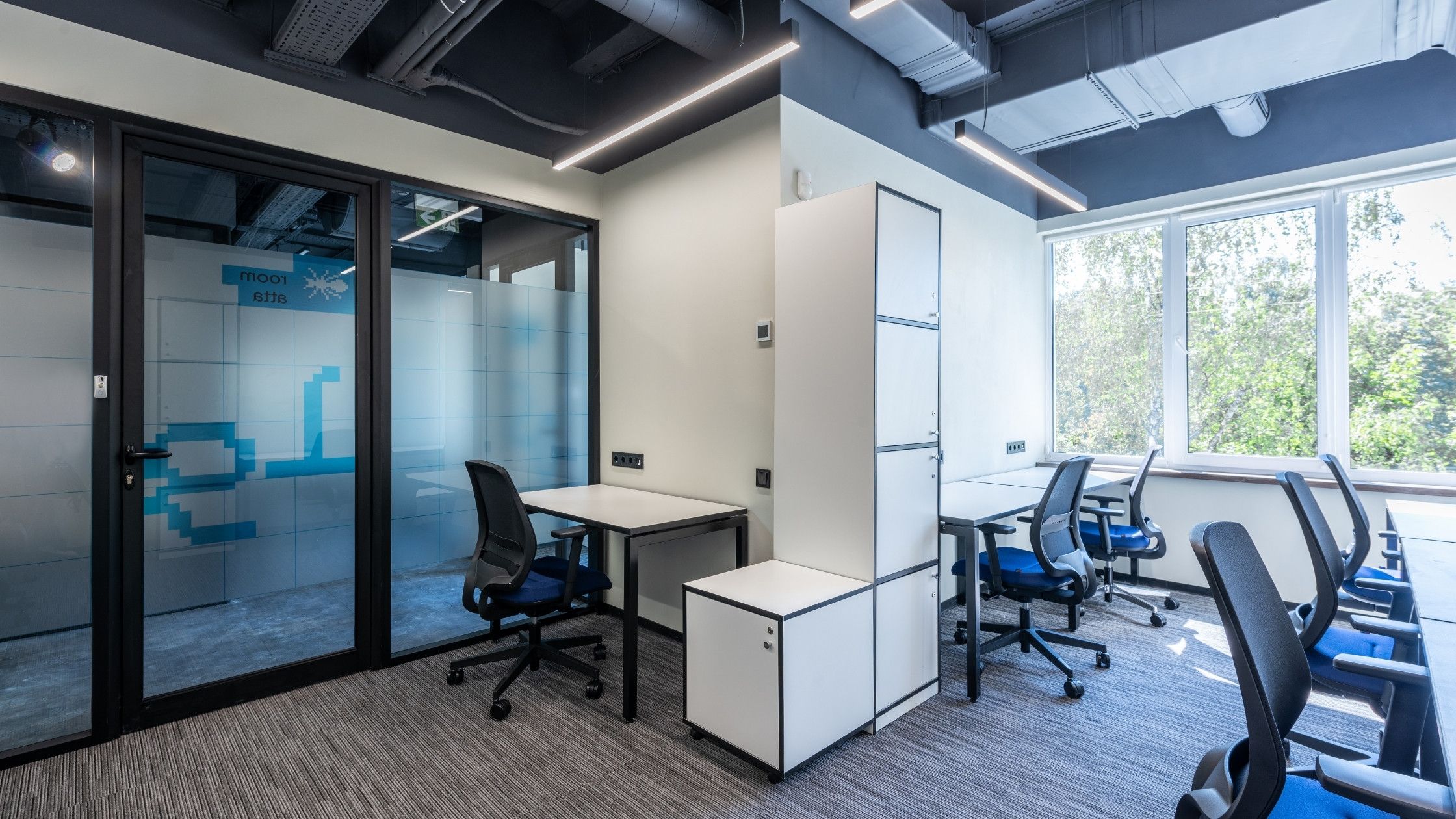
Regular maintenance ensures your facility always presents professionally. Clean windows maximize natural light and create welcoming spaces. Spotless floors and surfaces demonstrate attention to quality. Well-maintained exteriors project success and stability. These visual signals influence client confidence, employee pride, and your overall brand perception.
For businesses that host clients on-site—whether retail stores, professional offices, or service facilities—building appearance directly impacts revenue. Customers gravitate toward clean, well-maintained businesses and avoid those that appear neglected or run-down.
Improved Employee Health, Safety, and Productivity
Building condition significantly affects employee wellbeing and performance. Poor indoor air quality from unmaintained HVAC systems contributes to respiratory issues, allergies, and increased sick days. Dirty carpets harbor allergens and bacteria. Inadequate lighting strains eyes and reduces productivity. Uncomfortable temperatures from failing climate control systems distract workers and reduce efficiency.
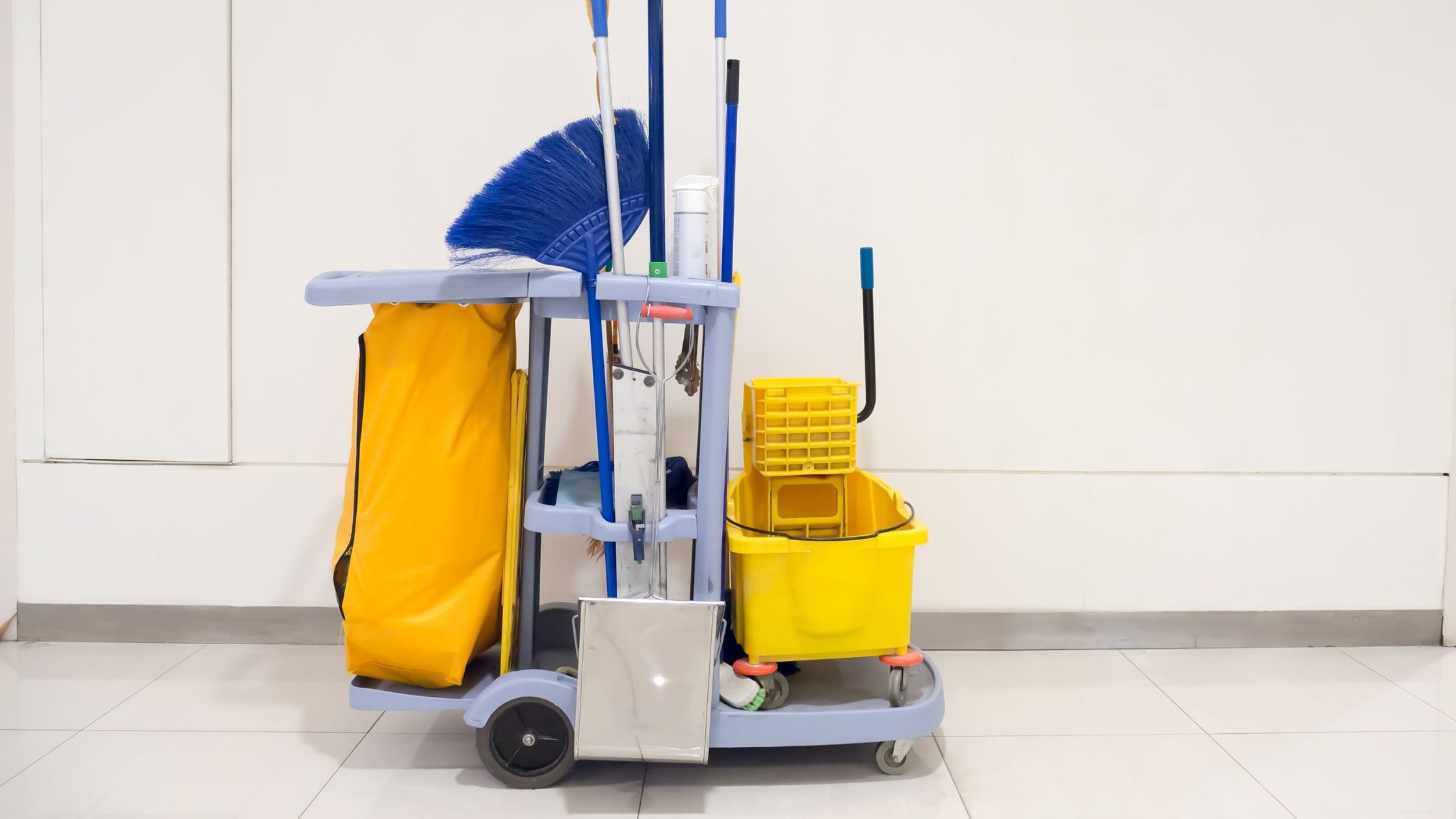
Regular maintenance addresses these issues proactively. Professional cleaning removes allergens and contaminants that affect air quality. HVAC maintenance ensures proper ventilation and comfortable temperatures. Regular facility upkeep identifies and resolves safety hazards before they cause injuries.
The result is a healthier, more comfortable work environment where employees feel valued and can focus on their work rather than being distracted by facility problems. Reduced sick days, fewer workplace injuries, and improved morale all contribute to your bottom line.
Extended Lifespan of Building Systems and Materials
Every building component has a designed lifespan, but actual longevity depends heavily on maintenance quality. Roofing systems illustrate this perfectly: a commercial roof properly maintained can last 25-30 years, while a neglected roof might fail in 15 years. The difference represents tens of thousands of dollars in premature replacement costs.
This principle applies throughout your building. Flooring, HVAC systems, plumbing, electrical systems, and even structural components all last longer when properly maintained. Regular cleaning prevents material degradation. Routine inspections catch small issues before they cause system failures. Preventive service keeps equipment operating within design parameters, reducing wear and extending operational life.
By maximizing the lifespan of existing systems and materials, regular maintenance defers capital expenditures and improves return on your initial investment.
Compliance with Regulations and Insurance Requirements
Many building systems are subject to regulatory requirements and building codes. HVAC systems, fire safety equipment, elevators, and other critical systems require regular inspection and maintenance to remain compliant. Failure to maintain proper documentation of these services can result in citations, fines, or even facility closures.
Insurance policies often include maintenance requirements as conditions of coverage. Neglecting required maintenance can void coverage or result in claim denials when you need insurance most. Regular maintenance ensures ongoing compliance and protects your insurance coverage.
Higher Property Values and Easier Exits
For business owners who own their facilities, regular maintenance directly impacts property value. Well-maintained buildings command higher sale prices and attract buyers more readily than properties showing deferred maintenance. During property sales, comprehensive maintenance records demonstrate responsible ownership and reduce buyer concerns about hidden problems.
Even for businesses that lease, maintaining your space properly can improve lease renewal terms, reduce end-of-lease costs, and preserve relationships with property owners.
Reduced Emergency Situations and Business Interruptions
Equipment failures and building problems don’t respect your business schedule. They create emergencies that disrupt operations, require expensive overtime repairs, and sometimes force temporary closures. Regular maintenance dramatically reduces these disruptions by identifying and addressing issues during scheduled service rather than unexpected failures.
Planned maintenance occurs at convenient times with minimal business impact. Emergency repairs happen when they happen—often at the worst possible moment—and typically cost 2-3 times more than the same work performed on a scheduled basis.
Peace of Mind and Focus on Core Business
Managing a business involves countless demands on your time and attention. Regular maintenance services provide peace of mind that your facility is being professionally cared for, allowing you to focus on your core business activities rather than worrying about building problems.
Professional maintenance providers bring expertise you likely don’t have in-house. They identify issues you might miss, know the appropriate service intervals for different systems, and can coordinate multiple trades efficiently. This expertise protects your investment while freeing you to focus on what you do best.
For The Road
Regular building maintenance isn’t an expense—it’s an investment that delivers measurable returns through cost savings, enhanced property value, improved employee productivity, and reduced risk. The businesses that thrive over decades treat their facilities as strategic assets requiring professional care, not problems to be ignored until they become crises.
Whether you’re managing a small office or a large commercial facility, implementing a regular maintenance program with qualified service providers protects your investment and supports your business success. The question isn’t whether you can afford regular maintenance—it’s whether you can afford not to maintain your facility properly.