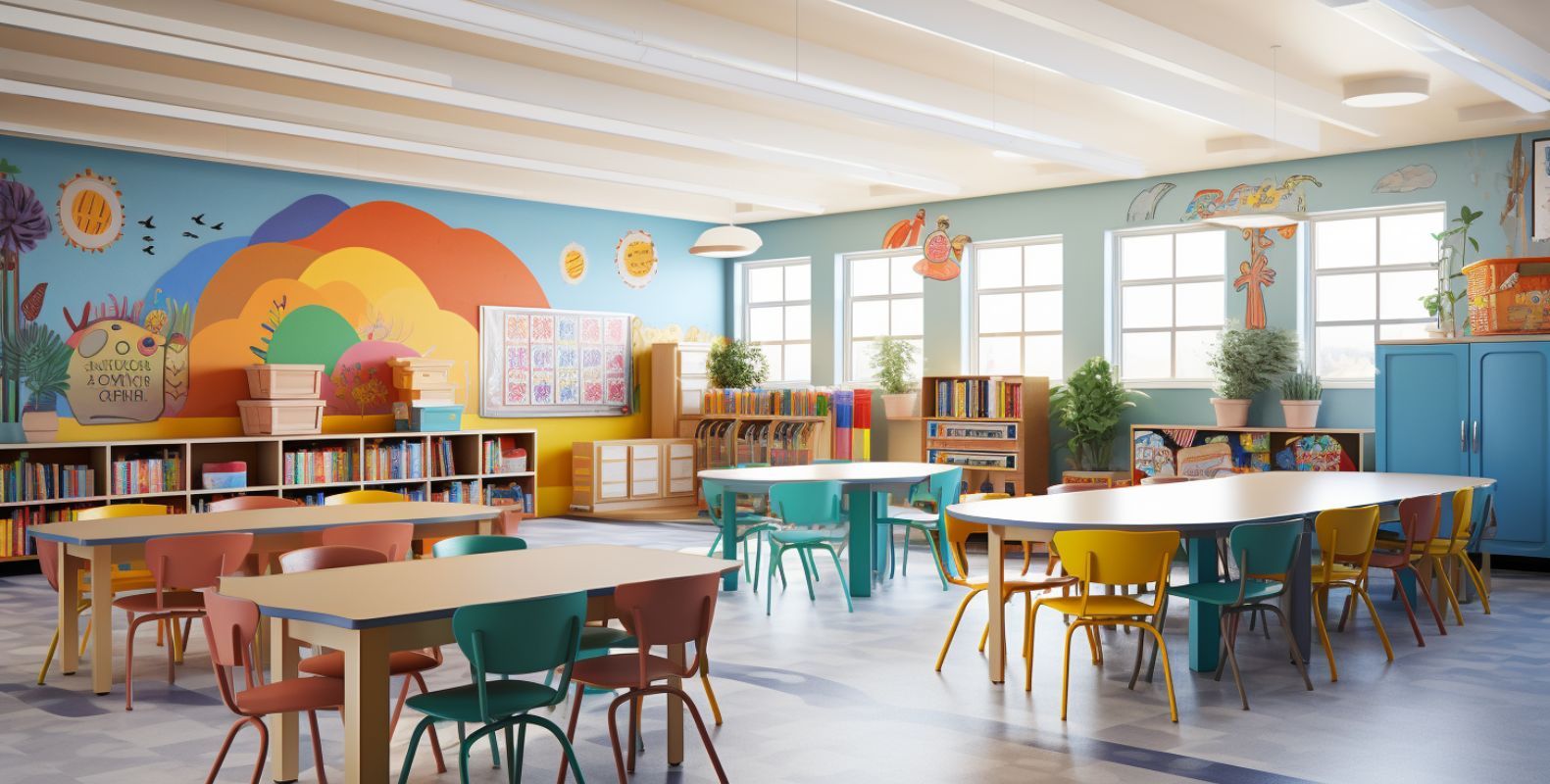
As the flu season approaches, maintaining a clean and sanitized school environment is essential to protect students and faculty from illness. The importance of school sanitization during flu season cannot be understated, and utilizing effective cleaning supplies and techniques for classrooms is imperative to combating germs. Additionally, there are certain areas of school buildings that should be given extra focus, while educating students and staff on winter hygiene practices is key to ensuring the well-being of the entire school community.
The Importance of School Sanitization During Flu Season
Maintaining clean, sanitized facilities and surfaces in a school environment is essential to keeping flu season at bay. It is estimated that on any given day, 10-20% of school children will be suffering from some form of illness. Thus, preventing the spread of germs and other microorganisms is an important part of ensuring a healthy school environment. Immunization programs, while beneficial, can’t completely prevent the spread of infectious diseases, and a clean school environment is the best way to limit the potential for contagion.
However, this responsibility is shared among school staff, teachers, and students alike. Ensuring that students practice thorough hand washing and regularly use hand sanitizer while on school grounds can improve the overall sanitary condition of the school significantly. Desks, desks chairs, chalkboards, and other frequently touched surfaces should be regularly disinfected with an approved cleaner. On the other hand, areas where clutter tends to accumulate such as hallways, bathrooms, and locker rooms should be kept clean and organized.
In addition to daily cleaning and sanitization, schools should also address air quality. Proper ventilation and climate control systems can both help to reduce the transmission of germs in the air, while also helping to maintain a comfortable climate for student learning. Similarly, proper disinfection of classrooms and air ducts should be frequently employed.
Overall, attention should be regularly paid to all facets of school sanitization, as even one overlooked area can lead to a thriving and dangerous germ population. As a result, planning for preventive sanitization should be an important part of any school’s strategy for flu season. Consequently, it is important to ensure that the school is using high-quality and safe cleaning products, and that all staff is aware of the importance of thorough sanitization.
Effective Cleaning Supplies and Techniques for Classrooms
Classrooms are complex spaces where personal development, learning, and instruction take place, making it essential to create an environment that is conducive to the specific activities at hand. Therefore, effective cleaning supplies and techniques can act as part of the environment to create a secure, healthy and productive digital or physical space.
In order to maintain a suitable classroom atmosphere, using the right cleaning products is essential. All-purpose cleaning supplies are a great start, as they are effective and can be used for almost every surface. The use of anti-bacterial sprays and wipes can help kill off any germs and bacteria that may have lingered and can be used to clean surfaces such as desks, pens and keyboards. In addition, using a disinfectant cleaner and mop can help to remove germs and bacteria off surfaces and leave no residue behind.
When it comes to cleaning techniques, it is important to prevent cross contamination. For instance, using a different cleaning cloth for different areas helps to ensure that any dust or microbes that have been picked up in one area are not transferred to another. Similarly, allowing time for surfaces to dry completely after cleaning helps to ensure that bacteria or viruses on the surfaces do not get spread further. Consequently, implementing such strategies as Mrsa and C.Difficile will ensure that any classroom is free from harmful bacteria.
As a result, the use of effective cleaning supplies and techniques is key when it comes to creating a suitable environment for teaching and learning. The combination of the right cleaning supplies, such as anti-bacterial sprays and disinfectants, and the correct cleaning techniques, such as allowing time for surfaces to dry and preventing cross-contamination, are integral aspects when ensuring that classrooms are a safe and productive space.
Combating Germs: Focus Areas in School Buildings
Combating germs with a focus on school buildings is an important endeavor to maintain school safety and the health of the entire community. Schools serve as an anchor for our society, housing our children who represent the future. However, germs can be a major problem in school buildings and create health issues for students, staff, and visitors. Reducing the amount of germs and preventative measures to ward off potential illnesses should come as a high priority.
In addition, schools should ensure they follow the adherence of a complete preventative plan. This plan should outline hand washing standards, clean sweep protocols, instructions for personnel, and a designated monetary budget for accoutrements such as gloves, face masks, sanitizers, and other cleaning products. Germ exposure can come in many forms, such as air filtration systems, furniture, and gym equipment, even if all surfaces are diligently wiped down. To prevent germs being spread, air filters need to be replaced regularly and furniture should be frequently and properly cleaned. Using a surface disinfectant is another proposed idea to rid the environment of harmful pathogens.
Encouraging children to observe safe hygiene practices is key. Educating students on the dangers of unclean habits and teaching them to wash their hands properly, distance themselves, and even refrain from sharing items, should be emphasized. Additionally, strong communication between teachers, staff, and parents should take place at all times in order to properly pass on regulations and the importance of cleanliness.
Finally, updating the school building can really help diminish germ-related problems. Installing more hand washing sinks is one example, as the more easily accessible the sink is, the more likely it will be used. Similarly, high traffic areas and door handles should contain no-touch amenities such as automatic sensors to eliminate physical contact as much as possible. Having students space more apart and move out of concentrated areas can also help reduce the amount of germs exposed to everyone. Overall, a combination of prevention and disinfection methods should play a crucial role in the effort to limit contamination in our school systems.
Educating Students and Staff on Winter Hygiene Practices
It is important for educational institutions to educate students and staff on winter hygiene practices in order to reduce the risk of illness among the school community. First, schools should cover topics such as the importance of regular handwashing, especially during cold and flu season. Posters or public service announcements should communicate clear instructions on how to properly wash hands with soap and warm water. Schools should emphasize the importance of covering one’s mouth and nose when coughing and sneezing, and should discuss the value of avoiding touching eyes, nose, and mouth.
On the other hand, schools should also provide instructions on how to properly dispose of used tissues and other items that may have come in contact with virus particles. This may include disposing of tissues in a covered wastebasket or bin, and washing clothing items used in the vicinity of a sick person. In addition, physical education classes and other activities should focus on the importance of staying active while taking sufficient rest periods, in order to maintain a healthy immune system.
In contrast to these preventative practices, schools must also educate students and staff on the signs and symptoms of common colds and influenza, such as a runny nose, sore throat, cough, and fever. They should teach people to remain home and away from public spaces, such as schools and workplaces, if they start showing signs of influenza or other illnesses. Similarly, people who have come into contact with a person who has symptoms of an infectious disease should be informed about any potential concerns and be instructed to contact a healthcare professional as soon as possible.
As a result, educational institutions should discuss the use of face masks and other protective equipment in cases of possible exposure to infectious diseases, as well as the importance of getting routine vaccinations during flu season. Schools should also encourage people to make an appointment with a healthcare professional if symptoms such as a fever or persistent cough appear, as early detection and treatment are crucial in controlling the spread of certain contagious illnesses.
It is vital for educational institutions to disseminate information about winter hygiene practices to both students and staff in order to promote awareness and help avoid the spread of contagious diseases. Regular public health updates, together with public service announcements and guidance from healthcare professionals, should help ensure the safety and wellbeing of the entire school community.
Final Thoughts
Proper school sanitization is extremely important during flu season in order to help prevent the spread of germs, especially in classroom settings. Effective cleaning supplies and techniques need to be used often in order to sanitize workspaces, keyboards, tablets, and other commonly used surfaces. When it comes to creating a germ-free environment, focus areas in school buildings should be on common points of contact such as doorknobs, handles, push plates, and handrails, as well as any Lysol-wiping of bathrooms and other frequently used spaces. Furthermore, educating students and staff on winter hygiene practices, such as ensuring they frequently wash their hands and avoid sharing lunch containers and utensils, is key in fostering better health throughout the season. All in all, following proper sanitization practices, utilizing the appropriate cleansers and techniques, paying attention to focus areas in school buildings, and educating everyone on the importance of hygienic habits is essential in combatting germs during the flu season. Howard Building Maintenance can help with your school sanitation needs!
Frequently Asked Questions
Why is school cleaning crucial during the winter months?
School cleaning is especially important during the winter months because it helps protect students and staff from the spread of colds, flu, and other illnesses. Proper cleaning of classrooms, bathrooms, and hallways can reduce the number of germs that are spread from person to person, which helps keep everyone healthier and reduces the risk of prolonged illnesses.
Which areas in schools are hotspots for germs and viruses?
High-traffic areas such as door handles, common rooms, and bathrooms are prime areas for germs and viruses. Objects that are frequently handled, such as computer keyboards, phones, books, and desks, are also hot spots. Even areas such as water fountains, light switches, and the cafeteria can carry germs and viruses.
How often should classrooms be sanitized during flu season?
Classrooms should be sanitized regularly, and at least once a day during flu season. It is important to clean all surfaces that people touch, such as door knobs, desks, and chairs, as well as any other surfaces that may have interacted with bodily fluids such as vomit or mucus. It is also important to take the appropriate safety precautions, such as wearing gloves, face masks, and ensuring that all surfaces are disinfected properly with CDC-approved disinfectants.
What role can students and teachers play in maintaining a clean environment?
Students and teachers can play an important role in maintaining a clean environment by practicing waste management strategies, like minimizing the use of plastic and paper products, and recycling items such as steel cans, glass bottles, and plastic containers. Educating fellow classmates and colleagues about the importance of environmental conservation can also be effective. Additionally, students and teachers can contribute to better air quality by carpooling to school or work, turning off lights when they exit a room, and unplugging unnecessary electrical appliances.